

Key Takeaways
- Know Your Rib Cuts: Different cuts such as baby back and spare ribs require specific cooking times; baby back ribs take about 25-30 minutes at 425°F, while spare ribs need 40-50 minutes.
- Preparation is Key: Cleaning, trimming, and removing the silverskin from the ribs are essential steps for maximizing tenderness and flavor.
- Flavor Enhancements: Using a dry rub or marinade can significantly boost the flavor of your ribs. Apply it beforehand and consider reapplying halfway through cooking.
- Monitor Cooking Times and Temperatures: Always check for the ideal internal temperature of 190°F to 203°F to ensure ribs are tender and safe to eat.
- Utilize Foil for Moisture: Wrapping ribs in foil during the initial cooking phase helps retain moisture, preventing dryness and enhancing tenderness.
- Crispy Finish with Broiling: Broiling for a few minutes post-baking adds a delicious crispy exterior, elevating the overall taste and texture of your ribs.
Do you love the idea of tender, juicy ribs but aren’t sure how long to cook them in the oven? You’re not alone! Many home cooks struggle with getting that perfect balance of flavor and tenderness when cooking ribs.
Understanding Rib Cuts
Different types of ribs require various cooking times and methods. Knowing these cuts helps you achieve the best results.
Baby Back Ribs
Baby back ribs come from the top portion of the rib cage, near the spine. They are smaller, leaner, and more tender than other cuts. Typically, a rack contains 10 to 13 ribs. Cooking baby back ribs in the oven at 425°F usually takes about 25 to 30 minutes. Using a dry rub before cooking enhances their flavor, and covering them with foil until the last 10 minutes helps retain moisture.
Spare Ribs
Spare ribs originate from the belly side of the rib cage and are larger and meatier than baby back ribs. A standard rack features 11 to 13 ribs. Cooking spare ribs at 425°F generally requires 40 to 50 minutes. These ribs can benefit from a longer cooking time at lower temperatures for ultimate tenderness, so consider starting at a lower heat then finishing at 425°F. Applying a marinade or sauce in the last 15 minutes of cooking adds extra flavor.
Preparing Ribs for Cooking
Preparation is crucial for achieving succulent ribs. Follow these steps to ensure your ribs are ready for the oven.
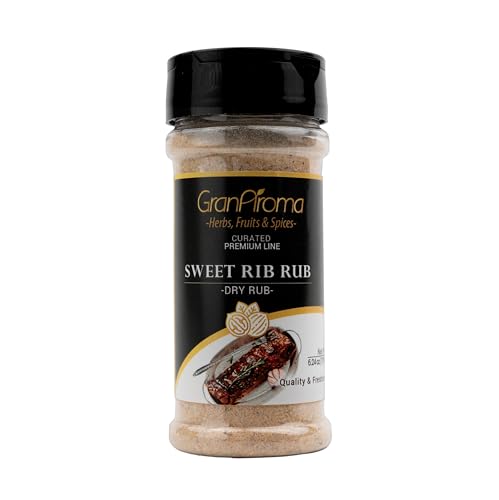
GranAroma Sweet Rib Rub

Contains (1) 5oz bottle of Rib Rack Original Sugar Free BBQ Rub

Wow your family and friends with Bone Suckin’ Flavor. Bone Suckin' Seasonings & Rubs are sure to make you the hero of grilling & the kitchen!
Cleaning and Trimming
Clean ribs thoroughly under cold water. Pat them dry with paper towels. Trim excess fat along the edges to enhance flavor and texture. Removing the silverskin—a tough membrane on the bone side—boosts tenderness. Slide a knife under the skin and pull it off carefully for best results.
Applying Rubs and Marinades
Apply flavor by using a dry rub or marinade. For a dry rub, combine spices like paprika, garlic powder, and pepper. Rub it generously over the ribs, ensuring even coverage. For marinade, mix ingredients such as soy sauce, mustard, and honey. Let ribs marinate in the refrigerator for at least 30 minutes, or up to overnight, for deeper flavor. Reapply after half of the cooking time for a rich glaze.
Cooking Ribs in Oven at 425
Cooking ribs in the oven at 425°F delivers deliciously tender and flavorful results when done correctly. Understanding the recommended cooking time and the internal temperature ensures you achieve cooking perfection.

Temperature Range: 140° to 190°F / 60° to 87°C. Probe Length: 4.75-inches Dial Diameter: 2.375-inches
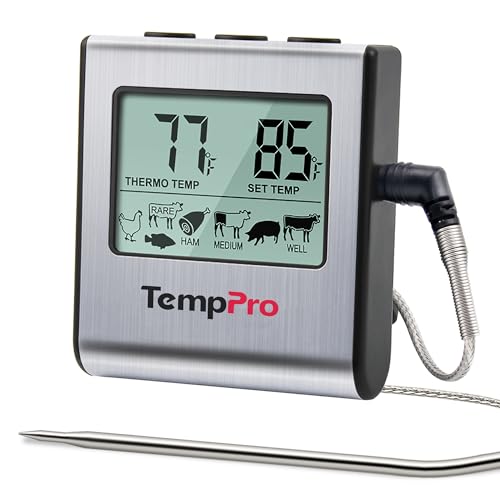
Cook mode with USDA preset temperature settings: ThermoPro cooking thermometer ideal for meat, oven, smoker or stove top; Programmable alert with preset temperatures for specific foods recommended by USDA; All of the preset temps can be reset to your desired tastes

【Dual Safe Probes for Multi-Use】Vuwwey meat thermometer probe is great for meat, liquids, oil frying, baking, candy making, kitchen & outdoors. The wired probe is ideal for monitoring air fryers, ovens, grills, BBQ, smokers. It's your hands-free assistant: set the alarm, stick it on, and step away from the heat
Recommended Cooking Time
Baby Back Ribs: Cook for 25 to 30 minutes. These smaller, tender ribs benefit from a dry rub and foil covering, which helps retain moisture.
Spare Ribs: Cook for 40 to 50 minutes. These larger ribs require more time for tenderness. Consider starting at a lower heat for around 30 minutes, then increase to 425°F for the final stages. Apply a marinade or sauce during the last 10 minutes for enhanced flavor and glaze.
Importance of Internal Temperature
A proper internal temperature ensures food safety and optimal texture. For ribs, the ideal internal temperature is 190°F to 203°F. At this range, collagen breaks down, making the meat tender. Use a meat thermometer to check the temperature by inserting it into the thickest part of the meat, avoiding bones for an accurate reading.
By keeping an eye on cooking times and internal temperatures, you create perfectly cooked ribs every time.
Tips for Perfectly Cooked Ribs
Cooking ribs in the oven at 425°F can yield delicious results. Follow these tips for tender, flavorful ribs.

EXTRA WIDE COVERAGE: This aluminum foil roll measures 18 inches wide to span more grill surface in one sheet, helping cover grates, pans, and larger foods with less overlap. Useful for ribs, corn, vegetables, and wide prep or storage tasks

Includes one 125 square foot roll of heavy duty aluminum foil

Includes two 175 square foot rolls of aluminum foil (total of 350 square feet)
Using Foil for Moisture
Using foil helps retain moisture during cooking. Wrap the ribs tightly in aluminum foil before placing them in the oven. This method traps steam, preventing the ribs from drying out. Cook the ribs wrapped for about 20 to 30 minutes, then remove the foil for the last few minutes to develop a nice crust. Consider adding a splash of apple juice or broth inside the foil for extra flavor.
Broiling for a Crispy Finish
Broiling adds a perfect crispy finish to your ribs. After baking at 425°F, switch to broil for the last 5 to 10 minutes. Position the ribs close to the broiler, but watch them closely to prevent burning. Brush your favorite barbecue sauce on the ribs before broiling for enhanced flavor and caramelization. A crispy, charred exterior complements the tender meat inside beautifully.
Conclusion
Cooking ribs in the oven at 425°F can be a game changer for your home meals. By understanding the different cuts and cooking times you can achieve tender and flavorful results that impress your family and friends.
Remember to prepare your ribs well by trimming excess fat and applying a tasty rub or marinade. Keeping an eye on the internal temperature ensures you hit that sweet spot for tenderness.
With a few simple tips like using foil and broiling at the end you’ll create ribs that are not only delicious but also have that perfect crispy finish. So fire up your oven and get ready to enjoy some mouthwatering homemade ribs!
Frequently Asked Questions
What are the best cooking temperatures for ribs in the oven?
The optimal cooking temperature for ribs in the oven is 425°F. Baby back ribs typically need about 25 to 30 minutes at this temperature, while spare ribs often require 40 to 50 minutes. Starting at lower temperatures can enhance tenderness, especially for larger ribs.
How long should I cook baby back ribs?
Baby back ribs should be cooked for about 25 to 30 minutes at 425°F. For best results, season them with a dry rub, cover with foil during cooking, and check for an internal temperature between 190°F to 203°F for tenderness.
How do I prepare ribs for cooking?
To prepare ribs, start by cleaning and trimming excess fat and removing the silverskin membrane for better flavor and texture. Season with a dry rub or marinade, allowing at least 30 minutes to marinate, or up to overnight for richer flavor.
What internal temperature should ribs reach?
Ribs should reach an internal temperature between 190°F to 203°F for optimal tenderness. This temperature range allows collagen to break down, making the meat succulent and flavorful. Use a meat thermometer to check the thickest part, avoiding the bones.
How can I keep ribs moist while cooking?
To retain moisture while cooking ribs, wrap them in aluminum foil. This traps steam and prevents drying out. After 20 to 30 minutes of covered cooking, remove the foil to develop a nice crust. Adding apple juice or broth inside the foil can enhance flavor.
Should I use barbecue sauce on my ribs?
Yes, applying barbecue sauce enhances the flavor of the ribs. For best results, brush the sauce on before broiling in the last 5 to 10 minutes of cooking. This caramelizes the sauce, creating a beautifully charred and flavorful exterior.
