

Key Takeaways
- Cooking salmon at 400°F offers a balance of crispiness on the outside and tenderness inside, making it a great choice for home cooks.
- Salmon cooking times depend on thickness: 12-15 minutes for 1 inch, 15-18 minutes for 1.5 inches, and 18-22 minutes for 2 inches.
- Preparation is key: choose fresh salmon, season generously, and allow it to rest at room temperature for optimal flavor.
- Use a food thermometer to ensure proper doneness, aiming for 125°F for medium-rare and 145°F for well-done salmon.
- Let the cooked salmon rest for 3-5 minutes to retain moisture before serving.
- Experiment with different cooking techniques like baking, grilling, and pan-searing to find your preferred flavor and texture.
Have you ever found yourself wondering how long to cook salmon at 400 degrees? You’re not alone. Many home cooks struggle with getting that perfect flaky texture without overcooking.
Picture this: you’ve planned a delicious meal, but the timing is off, and your salmon ends up dry or undercooked. That’s frustrating! This article will guide you through the cooking times and tips to ensure your salmon turns out just right every time.
Overview of Cooking Salmon
Cooking salmon at 400 degrees provides a great balance between achieving a crispy exterior and a tender interior. Understanding the timing and methods can help you create delicious salmon every time.
Cooking Times
Cooking times vary based on the thickness of the salmon fillet. Here’s a quick reference:
| Salmon Thickness | Cooking Time (at 400°F) |
|---|---|
| 1 inch | 12-15 minutes |
| 1.5 inches | 15-18 minutes |
| 2 inches | 18-22 minutes |
Preparing Salmon
Preparation enhances flavor. Here’s how to prepare the salmon before cooking:
- Choose Fresh Salmon: Look for bright, vibrant color with no strong fishy odor.
- Season Generously: Use salt, pepper, herbs, or a marinade for flavor.
- Let it Rest: Allow salmon to sit at room temperature for about 15-20 minutes before cooking.
Cooking Techniques
Using the right techniques affects the final outcome. You can bake, grill, or pan-sear salmon. Each method impacts the texture and flavor:
- Baking: Place seasoned salmon on a lined baking sheet, skin-side down, and bake in a preheated oven.
- Grilling: Use a grill basket or aluminum foil to keep the fish intact. Grill skin-side down for perfect grill marks.
- Pan-Searing: Start with skin-side down in a hot, oiled skillet, then flip for a few minutes to finish cooking.
Checking Doneness
The best way to check if salmon is done is by using a food thermometer. Aim for an internal temperature of 125°F for medium-rare or 145°F for well-done. If you don’t have a thermometer, look for the flesh to flake easily with a fork.
Tips for Success
Achieving perfect salmon can be straightforward. Consider these tips:
- Avoid Overcooking: Check the salmon a few minutes before the recommended time.
- Let it Rest: Let salmon rest for 3-5 minutes after cooking to retain moisture.
- Experiment: Try different seasonings or cooking methods to find your favorite flavor profile.
By following these guidelines, you can ensure your salmon turns out perfectly every time.
Cooking Salmon at 400 Degrees
Cooking salmon at 400 degrees creates a delightful balance of crispiness on the outside and tenderness inside. Understanding the optimal cooking time and the factors affecting it helps you achieve the perfect fillet every time.

Oven and grill safe for leave-in use while cooking
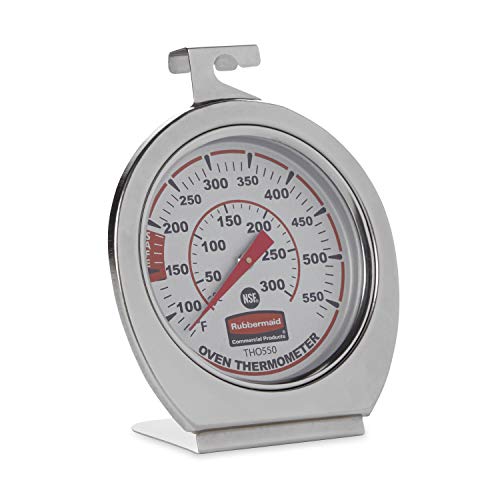
FOOD SAFETY: Thermometer displays true oven temperature instantly to ensure safe food preparation

EASY READING: you can see the actual temperature that your oven is registering with the digital LCD display, then make adjustments to ensure that you cook or roast at the proper temperature.
Optimal Cooking Time
Cooking time for salmon at 400 degrees generally depends on the thickness of the fillet. Below are recommended cooking times for different thicknesses:
| Salmon Thickness | Cooking Time |
|---|---|
| 1 inch | 12-15 minutes |
| 1.5 inches | 15-18 minutes |
| 2 inches | 18-22 minutes |
These times ensure the salmon cooks evenly and retains moisture. Use a food thermometer to verify that the internal temperature reaches 125°F for medium-rare or 145°F for well-done.
Factors Affecting Cooking Time
Several factors influence how long you cook salmon at 400 degrees. Consider these aspects:
- Thickness: Thicker fillets require more time to cook through effectively.
- Type of Salmon: Different salmon varieties, like sockeye or king, can affect cooking due to their fat content.
- Starting Temperature: Cooking salmon straight from the fridge takes longer than cooking it at room temperature. Let it rest for about 15-20 minutes before cooking.
- Cooking Method: Baking, grilling, and pan-searing produce different results and may require slight adjustments in cooking time.
- Oven Calibration: Oven temperatures can vary. Using an oven thermometer helps you ensure accurate cooking conditions.
Keeping these factors in mind leads to consistently delicious results.
Methods for Cooking Salmon
Cooking salmon can be done through various methods, each providing distinct flavors and textures. Here’s a look at two popular techniques: baking and grilling.
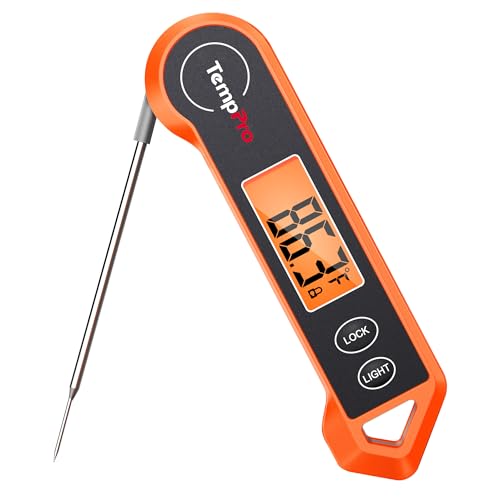
2.0 inches large auto-rotating backlit display: Digital food thermometer has a 180° auto-rotating backlit display, making this kitchen thermometer perfect for left-hand users and allows you to use it in low light conditions

Instant Read Food Thermometer | Our instant read thermometer features a temperature probe and advanced, highly accurate technology with 1-2 seconds response time; Instructions, meat temperature chart, comes pre-calibrated for your convenience, and recalibrating feature if needed.

【8X Faster + 4X More Precise】: Upgraded with an industrial-leading professional thermocouple sensor, Themomonster meat thermometer digital with NIST certified ±0.5℉ precision provides you the accurate temperature of your food in just 0.5 Seconds.
Baking
Baking salmon is simple and effective. Preheat your oven to 400°F. Place the salmon fillet on a baking sheet lined with parchment paper. Season your fillet with salt, pepper, and any additional spices or herbs you prefer. For instance, dill and lemon zest add a refreshing touch.
Bake for about 12-15 minutes for a 1-inch thick fillet and 18-22 minutes for a 2-inch thick fillet. To check for doneness, a food thermometer should read 125°F for medium-rare or 145°F for well-done. The salmon should flake easily with a fork when cooked properly. Enjoy the crispy exterior while savoring the moist interior.
Grilling
Grilling salmon adds a delightful smoky flavor. Preheat your grill to medium-high heat. Brush the grates with oil to prevent sticking. Season the salmon as desired, and place it skin-side down on the grill. Close the lid to maintain heat.
Grill for 6-8 minutes per side for 1-inch thick fillets, and for 10-12 minutes per side for 2-inch fillets. Flip the fillet carefully to avoid breaking it apart. Aim for the same internal temperatures: 125°F for medium-rare or 145°F for well-done. Watch for the fish to peel away from the skin when ready.
Both baking and grilling provide delicious options for cooking salmon, enhancing your culinary experience.
Tips for Perfectly Cooked Salmon
Choose Quality Salmon
Selecting fresh, high-quality salmon plays a significant role in the final outcome. Look for firm, vibrant fillets without a fishy odor. Wild-caught options often yield a richer flavor compared to farmed salmon.
Prepare the Fillet
Preparing the salmon right enhances its taste. Pat the fillet dry with paper towels to remove excess moisture. Season generously with salt, pepper, and your choice of herbs or spices for added flavor. Consider a marinade for extra depth.
Monitor Cooking Time
Keep an eye on cooking time, as it greatly affects the result. For 1-inch thick fillets, aim for 12-15 minutes; for 1.5-inch fillets, target 15-18 minutes. Two-inch fillets require 18-22 minutes. Adjust these times based on your oven’s efficiency and the starting temperature of the salmon.
Use a Food Thermometer
A food thermometer offers the most accurate way to check doneness. Insert it into the thickest part of the fillet. Aim for 125°F for medium-rare and 145°F for well-done. If you don’t have a thermometer, gently flake the salmon with a fork. The flesh should be opaque and separate easily.
Let It Rest
After cooking, let the salmon rest for 5 minutes. This resting period allows the internal juices to redistribute, ensuring moist and flavorful fish when you serve it.
Try Various Cooking Techniques
Experiment with different cooking methods to find your favorite. Baking, grilling, or pan-searing each provide unique flavors and textures. If you’re grilling, remember to oil the grates to prevent sticking.
Pair with Complementary Sides
Complements enhance your salmon dish. Consider serving it with roasted vegetables, quinoa, or a light salad. Fresh herbs and citrus can elevate the meal, adding brightness and freshness.
By following these tips, you can achieve perfectly cooked salmon that impresses at every meal.
Conclusion
Cooking salmon at 400 degrees can lead to a delicious meal if you keep timing and preparation in mind. Whether you prefer it medium-rare or well-done you can achieve that perfect balance of crispy and tender.
Don’t forget to let your salmon rest after cooking to lock in the moisture. With the right techniques and a little practice you’ll impress your family and friends with perfectly cooked salmon every time. Enjoy experimenting with flavors and sides to make each meal unique and satisfying. Happy cooking!
Frequently Asked Questions
How long should I cook salmon at 400 degrees?
Cooking salmon at 400 degrees generally takes 12-15 minutes for 1-inch fillets, 15-18 minutes for 1.5-inch fillets, and 18-22 minutes for 2-inch fillets. Adjust the time based on the thickness of your fillet for optimal results.
What is the ideal internal temperature for cooked salmon?
The ideal internal temperature for cooked salmon is 125°F for medium-rare or 145°F for well-done. Using a food thermometer ensures accuracy for perfectly cooked salmon.
What preparation tips help achieve perfectly cooked salmon?
To prepare salmon effectively, select fresh fillets, season generously, and let it rest at room temperature before cooking. Patting the fillet dry also enhances texture and flavor.
What cooking methods can I use for salmon?
You can bake, grill, or pan-sear salmon. Each method offers different textures and flavors. Baking is great for consistent results, while grilling adds a smoky flavor.
How can I check if my salmon is done?
You can check if salmon is done by either using a food thermometer to reach the desired temperature or by testing if the flesh flakes easily with a fork.
Does the thickness of the salmon affect cooking time?
Yes, the thickness of the salmon significantly affects cooking time. Thicker fillets require more time to cook through while thinner fillets will cook faster. Always adjust accordingly.
Why is it important to let salmon rest after cooking?
Letting salmon rest after cooking allows the juices to redistribute, which helps retain moisture and enhances the texture. Aim for at least 5 minutes of resting time before serving.
How can I enhance my salmon meal?
Pair your salmon with complementary sides like roasted vegetables or salads. Experimenting with different spices and marinades can also elevate the meal.
