

Key Takeaways
- Cooking brisket at 275°F ensures tender and juicy results, given the right timing and preparation techniques.
- Cooking times vary based on brisket size: allocate 1 to 1.5 hours per pound for ideal cooking durations.
- Certain factors like fat content, altitude, and starting temperature affect cooking times and quality; consider these for better outcomes.
- Internal temperature is crucial; aim for 195°F to 205°F for perfect tenderness while avoiding dry edges.
- Proper preparation includes selecting the right cut (flat vs. point) and Seasoning techniques (dry rub or marinade) for enhanced flavor.
- Allow the brisket to rest for 30 minutes to an hour post-cooking to ensure juices redistribute for optimum tenderness and flavor.
Have you ever found yourself staring at a beautiful brisket, wondering how long it’ll take to cook it just right? You’re not alone. Many home cooks struggle with timing, especially when it comes to this delicious cut of meat. Cooking brisket at 275°F can yield tender, juicy results, but getting the timing right is key.
Understanding Brisket Cooking Times
Cooking brisket at 275°F requires precise timing for best results. Several factors influence cooking times, affecting how your brisket turns out.
Factors That Affect Cooking Time
- Brisket Size: Larger cuts require more time. A 5-pound brisket cooks for about 6 hours, while a 10-pound brisket may take up to 10 hours.
- Fat Content: Briskets with higher fat content can cook slightly longer, as the fat needs time to render for tenderness.
- Starting Temperature: Cooking a brisket straight from the fridge results in longer cooking times. Set it out for 30-60 minutes to bring it closer to room temperature.
- Altitude: Higher altitudes can affect cooking times. You may need to adjust the cooking duration if cooking in mountainous regions.
The Importance of Cooking Temperature
Cooking temperature profoundly affects brisket tenderness. At 275°F, the brisket cooks low and slow, allowing collagen to break down efficiently. Here’s what you need to know:
- Texture: Cooking at this temperature leads to a tender texture. If you cook too quickly at higher temperatures, the brisket toughens.
- Even Cooking: Consistent temperature ensures even cooking throughout the cut, preventing dry edges while maintaining juicy centers.
- Hold Ability: Foods cooked at lower temperatures hold well, making it easier to time meals.
Monitoring your brisket’s internal temperature is crucial. Aim for 195°F-205°F for ideal tenderness. Keeping factors like size, fat content, and starting temperature in mind ensures a successful and delicious brisket.
Preparing the Brisket
Preparing your brisket properly sets the foundation for a flavorful and tender dish. Focus on selecting the right cut and using effective seasoning techniques.

TEXAS-STYLE BBQ RUB WITH A TWIST - This Texas BBQ-inspired rub focuses on heavy salt & pepper with next-level ingredients that will take your brisket game to the next level

1 bottle of 25 oz seasoning with dual door spice cap

Texas Brisket
Choosing the Right Cut
Choosing a quality brisket cut is essential. You’ll generally find two main cuts: the flat and the point.
- Flat Cut: Leaner and slices nicely. Great for sandwiches.
- Point Cut: More marbling means more flavor. Perfect for shredding or serving with sauce.
Select a brisket that’s at least 1 inch thick. Look for good fat distribution. A uniform layer of fat helps keep the meat moist during cooking.
Seasoning and Marinating Techniques
Seasoning enhances the brisket’s natural flavors. Opt for a dry rub or marinade.
- Dry Rub: Use salt, black pepper, garlic powder, and paprika for a balanced flavor.
- Marinade: Combine vinegar, oil, and spices. Marinate for at least 4 hours, ideally overnight.
Apply seasoning liberally. Aim for a nice crust while you cook. Don’t forget to let your brisket rest after cooking. Allow it to sit for 30 minutes to an hour before slicing. This helps retain juices, ensuring a tender result.
Cooking Brisket at 275 Degrees
Cooking brisket at 275°F yields tender, juicy results. Understanding timing and methods enhances your cooking experience and outcome.

Oven and grill safe for leave-in use while cooking

【8X Faster + 4X More Precise】: Upgraded with an industrial-leading professional thermocouple sensor, Themomonster meat thermometer digital with NIST certified ±0.5℉ precision provides you the accurate temperature of your food in just 0.5 Seconds.

No More Guesswork During Your Chill Cooking Time - professional digital thermometer devotes every beginner to becoming a prof! A good helper both in outdoor BBQ and Home party, It is the best gift for cooking enthusiasm and the useful kitchen gadget for festival meals
Recommended Cooking Time Per Pound
When cooking brisket, the general rule is to allocate about 1 to 1.5 hours per pound. Here’s a breakdown of cooking times:
| Brisket Weight | Cooking Time |
|---|---|
| 5 pounds | 5 to 6 hours |
| 6 pounds | 6 to 7.5 hours |
| 8 pounds | 8 to 9 hours |
| 10 pounds | 10 to 11 hours |
| 12 pounds | 12 to 13 hours |
Factors like size and fat content may adjust these times slightly, so checking the internal temperature is essential.
Methods for Cooking Brisket
Brisket can be cooked using various methods. Here are popular options:
- Oven: Preheat to 275°F. Season your brisket, wrap it in foil for moisture, and place it on a rack in a roasting pan. Cook until the internal temperature reaches 195°F to 205°F.
- Smoker: Set up your smoker to maintain 275°F. Use wood chips for flavor. Smoke the brisket until it reaches the desired internal temperature, often resulting in a flavorful, tender outcome.
- Slow Cooker: Cut the brisket to fit inside. Season and add a small amount of liquid. Cook on low for 8 to 10 hours, ensuring it’s perfectly tender by the end.
- Grill: If using a grill, set it for indirect heat at 275°F. Place the brisket away from the heat source and maintain the temperature. Cook until you achieve the desired doneness.
Each method brings unique flavors and textures to your brisket, allowing you to choose what suits you best.
Tips for Perfectly Cooked Brisket
Achieving perfectly cooked brisket requires attention to detail and a few essential techniques. Follow these tips to elevate your brisket game.
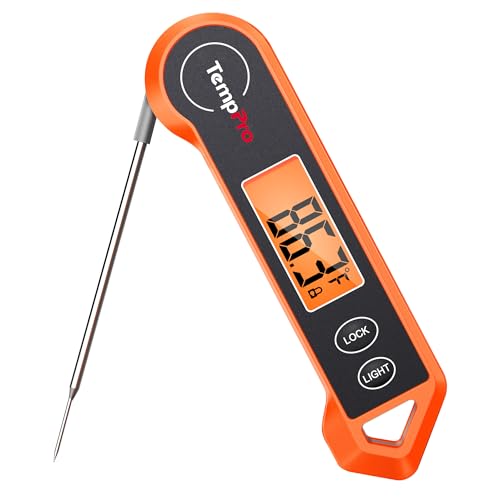
2.0 inches large auto-rotating backlit display: Digital food thermometer has a 180° auto-rotating backlit display, making this kitchen thermometer perfect for left-hand users and allows you to use it in low light conditions

Instant Read Food Thermometer | Our instant read thermometer features a temperature probe and advanced, highly accurate technology with 1-2 seconds response time; Instructions, meat temperature chart, comes pre-calibrated for your convenience, and recalibrating feature if needed.

【Longer Range 650 ft】The built-in best-in-class Bluetooth chip empowers this Bluetooth thermometer a longer range of up to 650 ft, a stronger signal and more stable connection to the smart App, so you'll never lost contact with your food no matter where in your house or yard
Monitoring Internal Temperature
Monitoring internal temperature is critical for brisket cooking success. Use a reliable meat thermometer to check the brisket’s temperature. Aim for an internal temperature between 195°F and 205°F. This range ensures the collagen breaks down effectively, resulting in tenderness.
Insert the thermometer into the thickest part of the brisket, avoiding contact with bones or fat. Check the temperature about 30 minutes before the expected end time to gauge doneness. If it hasn’t reached your desired temperature, continue cooking and check every 15 to 20 minutes.
Resting the Brisket
Resting the brisket is vital for juicy results. After cooking, let the brisket rest for 30 minutes to an hour. This resting period allows the juices to redistribute throughout the meat.
Cover the brisket loosely with aluminum foil to keep it warm during the resting phase. Avoid wrapping it too tightly, as that traps steam and can make the crust soggy. During this time, you can prepare sides or sauces, maximizing your meal prep efficiency. Skipping this step can result in dry slices, harming your overall enjoyment of this flavorful cut.
Conclusion
Cooking brisket at 275°F can lead to deliciously tender results when you get the timing just right. Remember to factor in the size and fat content of your brisket to determine the perfect cooking time. Keep an eye on the internal temperature and aim for that sweet spot between 195°F and 205°F.
Don’t forget the importance of resting your brisket after cooking. Taking that time allows the juices to redistribute, ensuring every slice is juicy and full of flavor. With a little patience and attention, you’ll be serving up a mouthwatering brisket that’ll impress everyone at your table. Enjoy your cooking adventure!
Frequently Asked Questions
What factors affect brisket cooking time?
The cooking time for brisket is influenced by several factors, including the size of the brisket, its fat content, the starting temperature, and your cooking altitude. Generally, a larger brisket requires more time, while a higher fat content helps it stay moist during the cooking process.
How long does it take to cook a brisket at 275°F?
For brisket cooked at 275°F, the recommended cooking time is about 1 to 1.5 hours per pound. For example, a 5-pound brisket typically takes 5 to 6 hours, while a 10-pound brisket may require 10 hours.
What internal temperature should brisket reach for tenderness?
To achieve optimal tenderness, brisket should reach an internal temperature of 195°F to 205°F. This specific temperature range allows the collagen to break down, resulting in a juicy and tender bite.
Should I season brisket before cooking?
Yes, seasoning brisket is essential for flavor. You can use a dry rub or marinade to enhance its natural taste. Proper seasoning not only adds flavor but also helps create a tasty crust on the meat.
How long should brisket rest after cooking?
After cooking, it’s recommended to let the brisket rest for 30 minutes to an hour. This resting period allows the juices to redistribute within the meat, ensuring slices remain moist and flavorful.
What’s the best way to cook brisket?
Brisket can be cooked using various methods, including an oven, smoker, slow cooker, or grill. Each method offers unique flavors and textures, so choose one based on your preferences and available equipment.
Why is resting important for brisket?
Resting is important because it allows the juices to redistribute throughout the meat. This step helps prevent dry slices and ensures a delicious, tender brisket. Cover it loosely with aluminum foil to keep it warm.
Can I check the brisket temperature while cooking?
Yes, you should check the internal temperature of the brisket with a reliable meat thermometer. It’s best to start checking about 30 minutes before the expected end time to avoid overcooking and to achieve the desired tenderness.
