

Key Takeaways
- Tenderness Achieved: Cooking beef tongue in a pressure cooker results in significantly tender and flavorful meat, saving time and effort.
- Nutritional Value: Beef tongue is nutritious, providing protein, B vitamins, and essential minerals like iron, which are beneficial for overall health.
- Versatile Uses: This unique cut can be used in various dishes, including Tacos de Lengua, sandwiches, soups, and stews, highlighting its culinary adaptability.
- Preparation Matters: Proper cleaning, trimming, and seasoning enhance the flavor and texture of beef tongue before cooking.
- Cooking Time Guidelines: For optimal results, cook beef tongue at high pressure for 60 to 90 minutes based on its weight, and allow for natural pressure release.
- Post-Cooking Tips: Ensure tenderness by checking for doneness with a fork and slicing against the grain for the best serving experience.
Have you ever wondered how to make beef tongue tender and flavorful in no time? If you’re looking to impress friends or family with a unique dish, cooking beef tongue in a pressure cooker is a game changer. It’s not just about the taste; it’s about the convenience too.
Understanding Beef Tongue
Beef tongue, a unique and flavorful cut, offers distinct culinary and nutritional advantages. Cooking it in a pressure cooker enhances its tenderness and flavor significantly.
Nutritional Benefits
Beef tongue is rich in essential nutrients. It provides:
- Protein: A 3-ounce serving delivers about 20 grams, supporting muscle strength.
- Vitamins: It’s high in B vitamins, especially B12, crucial for nerve function and energy production.
- Minerals: Contains iron, zinc, and selenium, which are vital for immune function and overall health.
Including beef tongue in your diet can contribute to various nutritional needs.
Culinary Uses
Beef tongue is versatile in the kitchen. Popular culinary uses include:
- Tacos de Lengua: A beloved Mexican dish, beef tongue is diced and served in soft corn tortillas with onions and cilantro.
- Sandwiches: Sliced beef tongue works well in deli-style sandwiches, pairing with mustard or horseradish.
- Soups and Stews: Adding it to hearty soups enhances flavor and richness, making for a comforting meal.
These culinary applications showcase beef tongue’s ability to adapt to various flavor profiles and cooking styles.
Preparing Beef Tongue for Cooking
Preparing beef tongue properly ensures the best flavor and texture. Follow these steps to get your beef tongue ready for the pressure cooker.

Tasty blend of black pepper, paprika and time to make a hearty, homemade beef stew

Rich & rustic.

Ingredients: 'MODIFIED CORN STARCH, HYDROLYZED CORN PROTEIN AND WHEAT GLUTEN, SALT, MALTODEXTRIN, SUGAR, GARLIC POWDER, SPICES, CARAMEL COLOR, HYDROLYZED YEAST PROTEIN, ONION POWDER, PAPRIKA, RENDERED BEEF FAT, BEEF STOCK, DISTILLED VINEGAR SOLIDS, DRIED PARSLEY, NATURAL FLAVORS, RED WINE VINEGAR, SILICON DIOXIDE.'
Cleaning and Trimming
- Rinse: Start by rinsing the beef tongue under cold water. This step helps remove any impurities or leftover blood.
- Peel: After rinsing, remove the outer skin. Use a sharp knife to make a small incision and peel it away. This skin can be tough and isn’t pleasant to eat.
- Trim: Trim excess fat from the tongue. Fat can create an undesirable texture. Focus on the thicker areas and leave a little for flavor.
- Cut: Optionally, cut the tongue into pieces for even cooking. This ensures each piece absorbs flavor well during the cooking process.
- Salt and Pepper: Start with a basic seasoning of salt and pepper. This enhances the meat’s natural flavor.
- Garlic and Onion: Add minced garlic and chopped onion for savory depth. These aromatics work well with the richness of the beef.
- Herbs: Consider using fresh herbs like thyme or bay leaves. These add an earthy flavor profile that complements beef tongue nicely.
- Spices: Include spices such as cumin or paprika for an extra kick. These can brighten the dish and add warmth.
- Marinade: For added flavor, marinate the tongue overnight. Combine any of the above ingredients with soy sauce or vinegar to help tenderize the meat.
Following these preparation steps and seasoning options helps you achieve a delicious result in your pressure cooker.
Cooking Beef Tongue in a Pressure Cooker
Cooking beef tongue in a pressure cooker speeds up the process while ensuring tender, flavorful results. You can enjoy perfectly cooked tongue in less time and with minimal effort.

[PREMIUM DURABILITY] Crafted from 304 stainless steel, this mini pressure cooker resists and deformation for long-term home and outdoor use. Ideal for camping trips and compact kitchens, it’s suitable for gas and induction cooktops, ensuring reliable performance across environments.

THE CHEF iQ APP: Connect to our free app via WiFi and Bluetooth and access hundreds of Guided Cooking recipes and culinary how-to videos, control and monitor your Smart Cooker, and access hundreds of presets for almost any ingredient

Ideal for 14 to 18 Persons
Recommended Cooking Times
For cooking beef tongue, the recommended time is about 60 to 90 minutes at high pressure. The exact time depends on the size of the tongue. A standard beef tongue weighs approximately 2 to 4 pounds. Here’s a quick guide:
| Weight (pounds) | Cooking Time (minutes) |
|---|---|
| 2 | 60 |
| 3 | 75 |
| 4 | 90 |
Adjust cooking time based on your pressure cooker’s specifications and your preferred tenderness. Always allow for natural pressure release for optimal results.
Setting the Pressure Cooker
Setting your pressure cooker correctly is crucial. Start by adding the prepared beef tongue to the cooker. Include enough liquid—typically 4 to 6 cups of water or broth—to create steam.
- Seal the Lid: Ensure the lid is securely fastened.
- Select Pressure Level: Set it to high pressure.
- Adjust Cooking Time: Input the appropriate cooking time based on the weight of the tongue.
After cooking, let the pressure release naturally for about 10 to 15 minutes before venting any remaining pressure. This helps maintain moisture and tenderness. Following these steps guarantees a delicious result you’ll enjoy.
Post-Cooking Tips
After cooking beef tongue in the pressure cooker, you can take a few simple steps to ensure the best results.
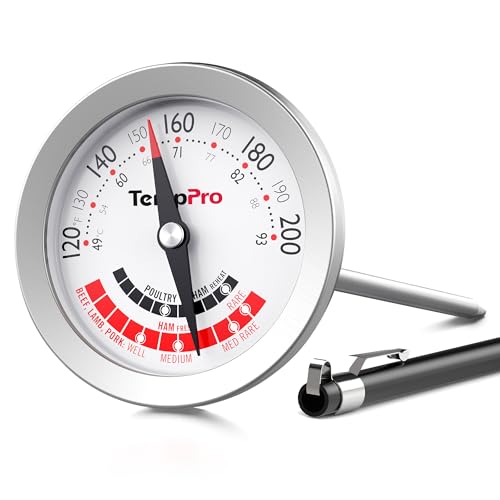
Dual-Pointer & Temp Zones: This grill thermometer features a dual-color pointer and 5 meat temperature zones based on USDA-recommended doneness levels. The black pointer indicates temperature readings, while the red pointer indicates temp zones. It is user-friendly, providing food temperature and doneness level at a glance

【 Perfect Steak, No Guesswork 】:Our mini steak thermometers for cooking monitor internal temperature in real time, eliminating all uncertainty. Simply insert into your steak and remove from heat the moment it reaches your preferred doneness—from juicy rare to perfectly well-done. Achieve restaurant-quality results with ease

500FT Long Range: Compared with those Bluetooth meat thermometer on the market, this meat thermometer digital wireless equips itself with radio frequency technology that will ensure you stronger signal and more stable connection from up to 500FT
Checking for Doneness
Check for doneness by inserting a fork into the thickest part of the tongue. If it goes in easily, it’s ready. The internal temperature should reach at least 190°F for optimal tenderness. If it feels tough, return it to the pressure cooker for an additional 10 to 15 minutes, then check again.
Slicing and Serving Suggestions
Slice the beef tongue against the grain for tender pieces. Aim for ¼-inch thick slices. Serve it warm with your favorite sauces, such as salsa verde or horseradish sauce. Consider pairing it with soft tortillas for Tacos de Lengua or adding it to sandwiches. For a hearty option, mix the slices into a rich soup or broth. Garnish with fresh herbs for added flavor and color.
Conclusion
Cooking beef tongue in a pressure cooker is a game changer. You get to enjoy a tender and flavorful dish in a fraction of the time compared to traditional methods. Whether you’re whipping up Tacos de Lengua or a hearty soup your family will love, the versatility of beef tongue opens up a world of culinary possibilities.
Don’t forget the importance of proper preparation and cooking times. Following these steps will ensure you achieve that melt-in-your-mouth texture every time. So go ahead and impress your friends and family with this unique dish. Happy cooking!
Frequently Asked Questions
What are the benefits of cooking beef tongue in a pressure cooker?
Cooking beef tongue in a pressure cooker makes the meat tender and flavorful quickly. This method not only enhances the taste but also offers convenience, allowing you to impress friends or family with a delicious dish in less time.
How should I prepare beef tongue before cooking?
To prepare beef tongue, rinse it to remove impurities, peel off the tough outer skin, and trim excess fat for better texture. Cut the tongue into pieces for even cooking and consider marinating it overnight with seasonings for enhanced flavor.
What cooking times are recommended for beef tongue in a pressure cooker?
Cooking times for beef tongue in a pressure cooker range from 60 to 90 minutes, depending on the tongue’s size (2 to 4 pounds). Always ensure you add enough liquid and seal the lid properly before cooking.
How do I check for doneness when cooking beef tongue?
To check for doneness, insert a fork into the thickest part of the tongue. Aim for an internal temperature of at least 190°F for optimal tenderness. If it feels tough, return it to the pressure cooker for an extra 10 to 15 minutes.
What are some popular dishes made with beef tongue?
Beef tongue is versatile and can be used in various dishes like Tacos de Lengua, deli-style sandwiches, and hearty soups. It pairs well with soft tortillas and can be served with sauces like salsa verde or horseradish for added flavor.
