

Key Takeaways
- Understand Cooked-on Grease: Recognize the types of grease (animal fats, vegetable oils, and sauces) and their origins to choose the appropriate cleaning method.
- Effective Cleaning Tools: Utilize scrapers, non-abrasive sponges, and cleaning solutions (commercial or homemade) to tackle stubborn grease effectively.
- Natural Cleaners: Consider natural ingredients like vinegar, baking soda, and lemon juice for eco-friendly grease removal options.
- Systematic Cleaning Process: Follow a step-by-step method that includes preparation, application of cleaner, scrubbing, and rinsing to ensure thorough cleaning.
- Preventive Measures: Adopt practices such as cleaning spills immediately, using splatter guards, and maintaining cookware to minimize grease buildup.
- Establish a Cleaning Routine: Regularly scheduled cleaning can dramatically reduce grease accumulation and keep your kitchen in good condition.
Have you ever stared at a greasy pan after cooking and wondered how you’ll ever get it clean? You’re not alone. Many of us have faced the frustration of dealing with stubborn, cooked-on grease that seems impossible to remove.
Understanding Cooked On Grease
Cooked-on grease forms when fats and oils from food heat up and bond to surfaces during cooking. This tough residue doesn’t dissolve easily in water. Recognizing the types of grease helps in choosing the right cleaning method.
Types of Cooked On Grease
- Animal Fats: Common in meats like bacon and sausage. They tend to solidify as they cool.
- Vegetable Oils: Found in frying oils. These can polymerize and create a sticky residue.
- Sauces: Spaghetti or barbecue sauces can leave behind a greasy film, especially if cooked at high temperatures.
Common Surfaces Affected
- Pans: Non-stick or stainless-steel pans often bear the brunt of grease buildup.
- Ovens: Grease can splatter onto oven walls during cooking.
- Countertops: Food prep can result in grease spots accumulating over time.
How Cooked On Grease Develops
Grease builds up over time with repeated cooking. Residues left uncleaned can harden, making them increasingly difficult to remove. High heat accelerates this process, and the longer the grease sits, the tougher it becomes.
- Scrapers: A plastic scraper is effective on stubborn grease without scratching surfaces.
- Sponges: Use non-abrasive sponges for gentle scrubbing.
- Cleaning Solutions: Commercial degreasers or homemade solutions like vinegar and baking soda cut through grease effectively.
Understanding these factors enables you to tackle cooked-on grease more efficiently. Select the right tools and methods, and you’ll make the cleaning process simpler and faster.
Common Sources of Cooked On Grease
Cooked-on grease often comes from various sources in the kitchen. Understanding these sources helps you target your cleaning efforts effectively.
Stovetop Spills
Stovetop spills occur frequently when cooking. When sautéing or frying, oil can splatter, creating sticky messes. These spills can harden quickly, especially if heat is left on afterward. Regular cleaning of your stovetop after each use prevents buildup. Wiping down with soapy water helps, but tougher stains may require stronger solutions.
Oven Accidents
Oven accidents often arise from food drips. Items like pies and casseroles can overflow, leaving greasy residues. High temperatures cause these spills to bake on, making them stubborn to clean. Using a dry cloth to catch spills before they harden aids in maintenance. For existing messes, a paste of baking soda and water can help lift tough stains when applied and left for a while.
Grill Residues
Grill residues build up from both direct cooking and splatters. As fats render during grilling, they can stick to grates, causing smoke and flare-ups. Cleaning the grill after every use mitigates this issue. Scrubbing with a wire brush while the grill is still warm often removes most residues. For persistent grime, a mixture of vinegar and water can help break down grease effectively.
Effective Methods to Remove Cooked On Grease
Removing cooked-on grease requires the right approach. Explore these methods to effectively tackle grease buildup on various surfaces.

WATCH GREASE DISSOLVE, NO HARD SCRUBBING: Stop wearing out your arms! Just spray our powerful foaming cleaner and watch it work. The thick foam clings to even vertical surfaces, breaking down tough, baked-on grease and sticky grime right before your eyes. Wiping your kitchen clean has never been this easy or satisfying

Dissolves Stubborn Grease & Grime: GREENEZ degreaser spray powerfully cuts through baked-on grease, oil, and stuck-on food residue on contact. Perfect for ovens, stoves, air fryers, BBQ grills, and more.

HIGH PERFORMANCE FOAM - Cuts through the toughest messes with powerful, professional-strength foaming action. Designed to cling, penetrate, and lift away grease, grime, and dirt fast for results you can see
Natural Cleaners
Natural cleaners provide environmentally friendly options for grease removal. Common ingredients include:
- Vinegar: Create a vinegar solution by mixing equal parts vinegar and water. Spray it on greasy areas and let it sit for 10-15 minutes. Wipe clean with a cloth.
- Baking Soda: Mix baking soda and water to form a paste. Apply this paste to stubborn grease spots and scrub with a non-abrasive sponge.
- Lemon Juice: Use lemon juice for its acidity. Spray it on grease, let it sit for 5-10 minutes, then scrub it off. The fresh scent is an added benefit.
These natural cleaners are not only effective but also safe for your home.
Commercial Products
Commercial products offer quick solutions for stubborn grease. Here are some highly regarded options:
- Degreasers: Look for degreasers specifically formulated for kitchen use. Brands like Krud Kutter and Goo Gone target tough grease effectively. Follow the instructions for optimal results.
- Multi-Surface Cleaners: Multi-surface cleaners often contain grease-fighting agents. Choose products designed for kitchen use to ensure they handle grease effectively.
- Oven Cleaners: Oven cleaners tackle baked-on grease specifically in ovens. Apply the product as directed, allowing it to break down the grease before wiping clean.
Select commercial products based on the severity of the grease and the surface affected.
DIY Solutions
DIY solutions allow for customization based on your cleaning needs. Consider these options:
- Dish Soap and Hot Water: Combine dish soap with hot water in a spray bottle. Spray the solution and let it sit for 10 minutes. Scrub with a sponge, then rinse.
- Salt and Vinegar Mixture: Mix salt and vinegar to create a paste. Apply it to the greasy surface and scrub. The salt acts as an abrasive while vinegar cuts through the grease.
- Borax Solution: Dissolve borax in hot water to create a cleaning solution. This option works well for pans and surfaces with heavy grease buildup.
These DIY methods offer cost-effective alternatives tailored to your specific needs.
Step-by-Step Cleaning Process
Cleaning cooked-on grease requires a systematic approach to yield the best results. Follow these steps for effective removal.
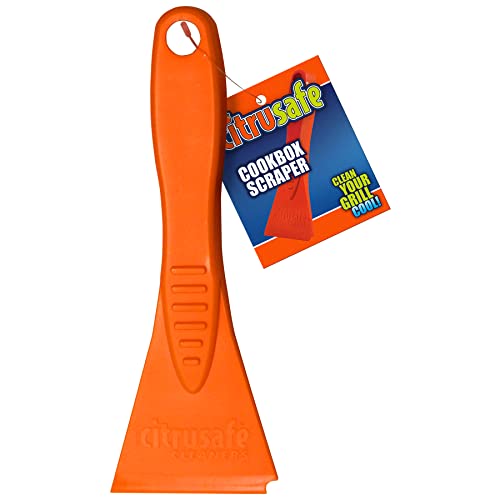
For a thorough deep clean, the CitruSafe Cookbox Scraper is perfect for getting in those tough-to-clean areas! This product is designed for use on a COOL grill with CitruSafe BBQ Grill Cleaner.

KITCHEN DEGREASER - breaks down the toughest gunk and grime, leaving your kitchen spotless
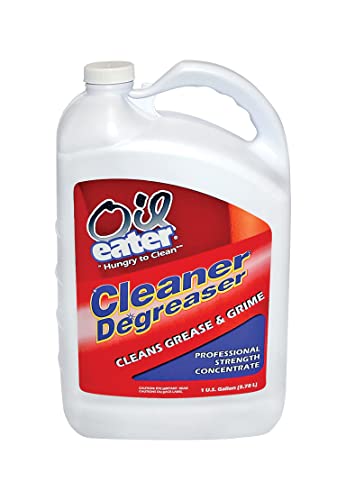
Powerful Cleaning: Dissolves Grease, Oil And Dirt From Any Washable Surface
Preparing the Area
Clear the workspace by removing any items around the greasy surface. Ensure good ventilation by opening windows or turning on a fan. Gather your tools, including a plastic scraper, non-abrasive sponge, and your chosen cleaner. For your safety, wear rubber gloves to protect your hands from harsh chemicals or hot water.
Applying the Cleaner
Apply the chosen cleaner directly to the greasy area. If using a commercial degreaser, follow the manufacturer’s instructions for optimal use. For a homemade solution, coat the surface with a vinegar and baking soda paste, allowing the mixture to sit for 10-15 minutes. This time helps break down the grease effectively. Always start with a small area to test for compatibility with the surface.
Scrubbing Techniques
Scrub gently but thoroughly with a non-abrasive sponge or cloth. Use circular motions to lift the grease. For stubborn spots, a plastic scraper helps dislodge any hardened residue. Rinse the area with hot water to remove any cleaner and grease. Repeat the process as necessary until the surface is clean.
By following these steps, removing cooked-on grease becomes manageable.
Tips for Preventing Cooked On Grease Buildup

#1 Most effective Heavy-Duty Degreaser – This Heavy Duty formula breaks down stubborn grease and grime for a deep clean in seconds!
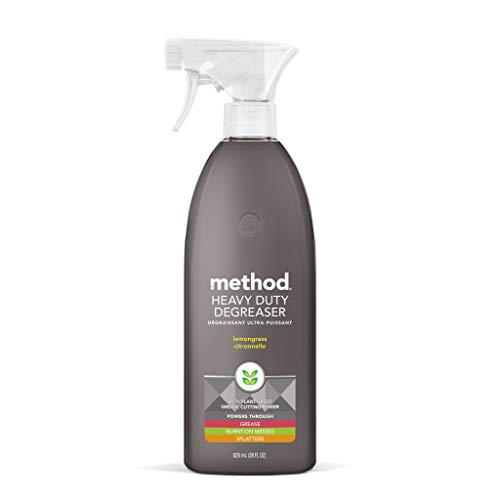
Contains (1) 28oz spray bottle of heavy duty degreaser
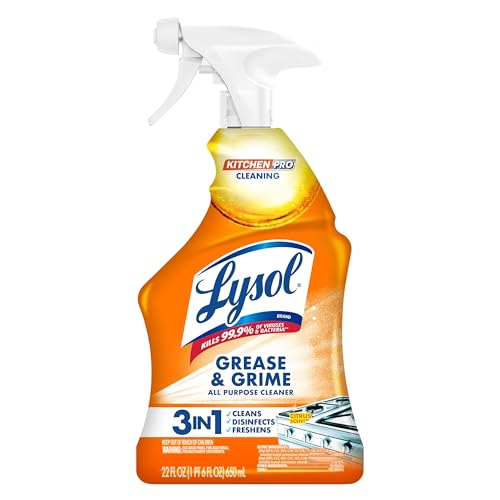
ELIMINATES 99.9% OF KITCHEN VIRUSES AND BACTERIA INCLUDNG SALMONELLA AND E.COLI: Lysol Pro Kitchen Cleaner is tested and proven to eliminate 99.9% of viruses and bacteria* (when used as directed). EPA Reg #777-91.
Clean Spills Immediately
Clean spills right after they happen. Wipe down surfaces as soon as food drips. Use a damp cloth and mild soap to prevent grease from hardening.
Use Proper Cooking Techniques
Use lids or splatter guards to minimize grease splatter during cooking. Sauté or fry at lower temperatures to reduce the amount of grease that escapes.
Maintain Equipment Regularly
Regularly maintain your cooking equipment. Wipe down stovetops and grills after each use. Inspect your oven and replace any worn-out parts that may lead to spills.
Apply a Protective Layer
Apply a non-stick spray or oil before cooking. This creates a barrier that makes cleaning easier afterward. Choose sprays that are safe for your cookware material.
Invest in Quality Cookware
Invest in high-quality non-stick pans and pots. These are easier to clean and reduce the risk of grease buildup. Avoid using metal utensils that can scratch the surface.
Store Ingredients Properly
Store fats and oils in airtight containers. This limits exposure to air and helps prevent spills during use. Keep these containers labeled and within reach to reduce messes.
Use Dishcloths Instead of Paper Towels
Use washable dishcloths to clean surfaces instead of paper towels. This reduces waste and allows for thorough cleaning without leaving fibers behind.
Establish a Cleaning Routine
Establish a routine for cleaning greasy surfaces weekly. This can significantly reduce grease buildup over time. Schedule specific days for deep cleaning appliances and surfaces.
Keep Cooking Area Organized
Maintain an organized cooking area. This makes it easier to manage spills and avoid accidents. When everything has a designated spot, cleaning becomes simpler.
By proactively implementing these tips, you can effectively reduce the likelihood of grease buildup in your kitchen.
Conclusion
Cleaning cooked-on grease doesn’t have to be a daunting task. With the right tools and techniques you can tackle even the toughest messes. Whether you opt for natural solutions or commercial cleaners it’s all about finding what works best for you.
Remember to take preventive steps to keep your kitchen surfaces clean and grease-free. A little effort goes a long way in maintaining a tidy cooking space. So next time you face stubborn grease you’ll be ready to conquer it with confidence. Happy cleaning!
Frequently Asked Questions
What causes cooked-on grease to form on pans?
Cooked-on grease forms when fats and oils bond to surfaces during cooking. High heat can cause these substances to harden quickly, making them more difficult to remove.
How can I effectively clean greasy pans?
To clean greasy pans, use a plastic scraper and a non-abrasive sponge with an effective cleaning solution. Choices include commercial degreasers or homemade mixtures like vinegar and baking soda.
What are some natural cleaners for grease?
Natural cleaners such as vinegar, baking soda, and lemon juice are effective at breaking down grease. They are safe and environmentally friendly alternatives to commercial products.
How can I prevent grease buildup in my kitchen?
To prevent grease buildup, clean spills immediately, use lids while cooking, and maintain your equipment regularly. Establishing a weekly cleaning routine can also help.
What tools should I use for cleaning grease?
You should use non-abrasive sponges, plastic scrapers, and appropriate cleaning solutions. Rubber gloves are also recommended for safety during the cleaning process.
How do I remove grease from an oven?
For oven grease, catch spills with a dry cloth and use a baking soda paste on existing messes. Allow it to sit, then scrub gently and rinse.
What is the step-by-step process for cleaning cooked-on grease?
Begin by clearing the workspace and gathering tools. Apply a cleaner, let it sit, scrub gently with a non-abrasive sponge, and rinse with hot water.
Are there specific cleaning methods for grill grease?
For grill grease, use a wire brush for regular cleaning and a vinegar-water mixture for stubborn grime. This helps maintain the grill’s cleanliness and performance.
