

Key Takeaways
- Types of Cuts: Understand the different cuts of deer shoulder, such as shoulder roast, shoulder chops, and stew meat, to select the best one for your cooking method.
- Quality of Meat: Prioritize freshness by choosing bright red cuts with minimal odor, and ensure ethical sourcing from reputable providers.
- Essential Ingredients: Prepare deer shoulder by gathering key ingredients like olive oil, garlic, onions, and spices. Marinades can significantly enhance flavor.
- Cooking Techniques: Utilize oven roasting for larger cuts and braising for tougher cuts to achieve tenderness and rich flavor in your dish.
- Internal Temperatures: Monitor cooking temperatures, with recommendations ranging from 125°F for rare to 160°F for well done, to ensure proper doneness.
- Serving Suggestions: Pair deer shoulder with side dishes like roasted vegetables, mashed potatoes, and fresh herbs to create a well-rounded and flavorful meal.
Have you ever wondered how to turn a tough cut of deer shoulder into a tender, mouthwatering dish? If you’ve got a game meat craving but aren’t sure where to start, you’re in the right place. Cooking deer shoulder in the oven can seem daunting, but it’s easier than you think.
Understanding Deer Shoulder Cuts
Understanding deer shoulder cuts enhances your cooking experience. Familiarizing yourself with these cuts helps you select the right one for your recipe and cooking technique.
Types of Deer Shoulder Cuts
- Shoulder Roast: This cut comes from the front leg area and typically contains a mix of muscle and connective tissue. It’s perfect for slow roasting.
- Shoulder Chops: These are sliced from the shoulder roast. They offer portion control and are great for grilling or pan-searing.
- Ground Venison: This is made from the trimmings and tougher cuts of the shoulder. It works well in burgers, meatballs, or sauces.
- Stew Meat: Cubed from the shoulder, stew meat benefits from long cooking methods, making it ideal for hearty stews or casseroles.
- Look for Freshness: Choose cuts with a bright red color and minimal odor. Fresh meat enhances the final dish.
- Consider the Source: Purchase venison from a reputable provider. This ensures quality and ethical sourcing, which improves taste and safety.
- Inspect the Fat Cap: A thin layer of fat on the shoulder adds flavor during cooking. Opt for cuts with even fat distribution for better results.
- Choose the Right Size: Depending on your meal size, select a cut that meets your needs. A larger roast is ideal for gatherings, while smaller portions suit weeknight dinners.
Preparing the Deer Shoulder
Preparing deer shoulder involves several key steps to ensure delicious results. Focus on selecting fresh ingredients and using effective seasoning techniques to enhance the meat’s natural flavor.
Essential Ingredients
To cook deer shoulder in the oven, gather the following essential ingredients:
- Deer Shoulder: Choose a shoulder roast or chops depending on your preference.
- Olive Oil: Use approximately 2 to 3 tablespoons for searing.
- Garlic: Incorporate 4 to 6 cloves, minced, for robust flavor.
- Onions: One large onion, chopped, adds sweetness and depth.
- Spices: Include salt (1 to 2 teaspoons), black pepper (1 teaspoon), and your choice of herbs like thyme or rosemary.
- Liquid: Add 1 to 2 cups of broth or wine to keep the meat moist during cooking.
Marinades and Seasoning
Using a marinade can elevate the flavor of deer shoulder significantly. Consider these popular options:
- Basic Marinade: Mix olive oil, soy sauce, minced garlic, and your choice of herbs. Marinate for at least 4 hours, ideally overnight.
- Spicy Marinade: Combine olive oil, apple cider vinegar, chili powder, and smoked paprika for a kick. Allow at least 2 hours for the flavors to meld.
When seasoning, apply a generous amount of salt and pepper before cooking. This enhances the natural flavors and helps create a crust during roasting. For additional flavors, rub a mixture of garlic powder, onion powder, and herbs over the meat before marinating.
Follow these steps to prepare the deer shoulder properly, ensuring a tender and flavorful dish when cooked in the oven.
Cooking Techniques for Deer Shoulder
Cooking deer shoulder in the oven can yield tender, flavorful results. Two primary methods you can use are oven roasting and braising. Both techniques enhance the meat’s natural flavors and tenderness.

Even Heat Distribution Retention: This Umite Chef Dutch oven Made with heavy-duty enameled cast iron, ensures even heat distribution for perfect searing and slow cooking, locking in flavors. thickened walls lock in heat for slow braising, searing, and baking. Unlike thin pots that scorch food, this professional-grade Enameled cast iron potSuperior heat retention after preheating (allow 5-7 mins for even distribution). CRITICAL: Always cool naturally for 45+ mins before cleaning. Thermal shock (hot-to-cold contact) cracks enamel. USE TIP: Preheat 2-3 mins on medium-low only

Quality Enameled Dutch Oven: The Lodge Essential Enamel Cast Iron Dutch Oven gives you all the benefits of cast iron cooking, great heat retention and durability, without fear of rust; it's also PFAS free

【Outstanding Heat Distribution & Exceptional Heat Retention】Heavy-duty enamel cast iron ensures even heat distribution and exceptional heat retention. Its sturdy, one-piece construction guarantees unmatched durability, providing a seamless cooking experience. The upgraded arched lid creates natural micro-pressure for efficient, flavor-locked cooking. 𝐍𝐎𝐓𝐄: 𝐅𝐨𝐫 𝐛𝐞𝐬𝐭 𝐫𝐞𝐬𝐮𝐥𝐭𝐬 𝐨𝐧 𝐭𝐡𝐞 𝐬𝐭𝐨𝐯𝐞𝐭𝐨𝐩, 𝐮𝐬𝐞 𝐦𝐞𝐝𝐢𝐮𝐦 𝐭𝐨 𝐥𝐨𝐰 𝐡𝐞𝐚𝐭 𝐭𝐨 𝐩𝐫𝐞𝐯𝐞𝐧𝐭 𝐟𝐨𝐨𝐝 𝐟𝐫𝐨𝐦 𝐬𝐭𝐢𝐜𝐤𝐢𝐧𝐠 𝐝𝐮𝐫𝐢𝐧𝐠 𝐮𝐬𝐞.
Oven Roasting Method
Oven roasting works well for larger cuts like shoulder roasts. Start by preheating your oven to 325°F (163°C). Season the meat generously with salt and pepper, and apply your chosen marinade or a mix of herbs. Use a heavy, oven-safe pan to sear the meat on all sides over medium-high heat for about 3-5 minutes, locking in juices.
Next, place the seared roast in the preheated oven. Cook it for approximately 1.5 to 2 hours, depending on the roast size, or until it reaches an internal temperature of 145°F (63°C). For added moisture, you can add broth or wine to the pan. Baste the roast every 30 minutes to retain juiciness. Once done, let it rest for 15-20 minutes before slicing.
Braising Method
Braising is ideal for tougher cuts, like shoulder chops or stew meat. Begin by heating a few tablespoons of oil in a skillet over medium heat. Season the meat with salt and pepper, then brown it on all sides for about 5 minutes. This step builds flavor.
Transfer the browned meat to a Dutch oven. Add aromatic vegetables like onions and garlic, sautéing for a few minutes. Pour in enough liquid—such as broth or red wine—to cover the meat halfway. Cover your Dutch oven and place it in a preheated oven at 300°F (149°C).
Braise the meat for 2-3 hours until it becomes fork-tender. Check periodically, adding more liquid if necessary. The longer cooking time helps break down tough fibers, producing a tender dish bursting with flavor.
Using these techniques ensures your deer shoulder turns out perfectly cooked, flavorful, and tender.
Cooking Times and Temperatures
Getting the cooking times and temperatures right is crucial for perfectly cooked deer shoulder. Accurate temperatures ensure the meat is tender and retains moisture.

Instant Read Food Thermometer | Our instant read thermometer features a temperature probe and advanced, highly accurate technology with 1-2 seconds response time; Instructions, meat temperature chart, comes pre-calibrated for your convenience, and recalibrating feature if needed.
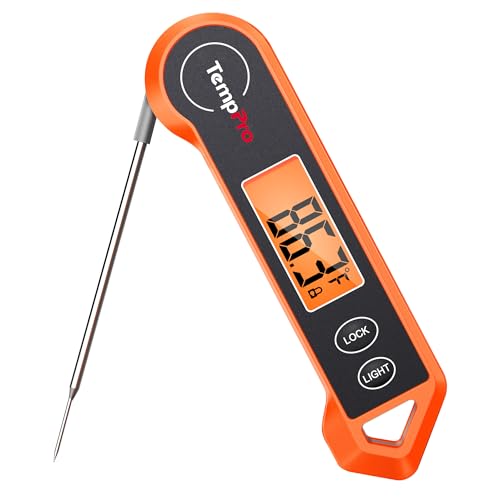
2.0 inches large auto-rotating backlit display: Digital food thermometer has a 180° auto-rotating backlit display, making this kitchen thermometer perfect for left-hand users and allows you to use it in low light conditions

【Easy to Use】Easily release the meat probe at the push of a button, and control the backlight or power with another button. With TempPro, cooking becomes a seamless, stress-free experience
Recommended Internal Temperatures
You should monitor the internal temperature of the deer shoulder to ensure safety and doneness:
- Rare: 125°F (52°C) – If you prefer a pink center, cook to this temperature.
- Medium Rare: 135°F (57°C) – This temperature keeps the meat juicy with a tender texture.
- Medium: 145°F (63°C) – At this point, the meat is firmer but still moist.
- Well Done: 160°F (71°C) – This temperature will make the meat drier and firmer, often recommended for tougher cuts.
Use a meat thermometer to check the temperature in the thickest part of the shoulder, avoiding bones for the most accurate reading.
Cooking Time Guidelines
Cooking times for deer shoulder depend on the weight and method used. Here’s a general guideline:
| Weight of Deer Shoulder | Roasting Time (Oven) | Braising Time (Oven) |
|---|---|---|
| 2 to 3 lbs | 2 to 2.5 hours | 3 to 4 hours |
| 4 to 5 lbs | 2.5 to 3 hours | 4 to 5 hours |
| 6 to 7 lbs | 3 to 3.5 hours | 5 to 6 hours |
Keep in mind that thickness and shape can influence cooking times. You can check for doneness by using a meat thermometer rather than relying solely on time. Baste occasionally with cooking juices to enhance flavor and moisture during the cooking process.
Serving Suggestions
Serving deer shoulder can elevate your meal and enhance the flavors of this game meat. Consider pairing it with sides that complement its rich taste and provide a balanced plate.
Side Dishes to Pair with Deer Shoulder
- Roasted Vegetables: Choose seasonal vegetables like carrots, sweet potatoes, and Brussels sprouts. Toss them in olive oil, salt, and pepper, then roast them until caramelized.
- Mashed Potatoes: Create creamy mashed potatoes using butter and cream for a classic pairing. Add garlic for an extra flavor boost.
- Wild Rice Pilaf: Cook wild rice with vegetable broth and mix in sautéed onions, mushrooms, and herbs for a nutty, flavorful side.
- Coleslaw: Serve a fresh coleslaw with a tangy dressing to add crunch and acidity, balancing the richness of the deer shoulder.
- Crispy Brussels Sprouts: Toss halved Brussels sprouts with balsamic vinegar and roast until crispy. This adds a delightful texture to your plate.
- Fresh Herbs: Sprinkle chopped parsley, rosemary, or thyme over the deer shoulder for a pop of color and freshness.
- Citrus Zest: Add a touch of lemon or orange zest for brightness. It enhances the meat’s flavors and offers a contrast to the savory notes.
- Red Onion: Thinly slice red onion and soak it in vinegar for a tangy garnish. This adds a sharp bite that complements the richness of the meat.
- Chili Flakes: If you enjoy spice, a light sprinkle of chili flakes can add a gentle heat and visual appeal.
- Cranberry Sauce: Serve alongside homemade or store-bought cranberry sauce for a sweet contrast. Its tartness pairs well with the savory profile of the deer shoulder.
Conclusion
Cooking deer shoulder in the oven can be a rewarding experience that brings out the rich flavors of this game meat. By following the right techniques and using fresh ingredients you can transform a tough cut into a tender and delicious meal that impresses everyone at your table.
Don’t forget to experiment with seasonings and marinades to find the perfect combination that suits your taste. Pair your dish with seasonal sides and creative garnishes to elevate your meal even further.
With a little patience and practice you’ll soon become a pro at cooking deer shoulder that’ll have your friends and family asking for seconds. Enjoy the process and savor every bite of your culinary creation!
Frequently Asked Questions
What is the best way to prepare deer shoulder?
Preparing deer shoulder involves selecting the right cut, seasoning it well, and cooking it using methods like oven roasting or braising. Seasoning with salt, pepper, and a marinade enhances the meat’s natural flavor. Proper cooking techniques ensure it becomes tender and delicious.
How do I select the best deer shoulder cut?
When selecting deer shoulder cuts, look for freshness and quality. Choose reputable providers, check the fat cap for flavor, and select a size that meets your meal needs. Common cuts include shoulder roast, shoulder chops, ground venison, and stew meat.
What ingredients are essential for cooking deer shoulder?
Essential ingredients include the deer shoulder meat, olive oil, garlic, onions, spices, and a liquid, such as broth or wine. These ingredients help enhance the meat’s flavor and keep it moist during cooking.
What cooking methods work best for deer shoulder?
Oven roasting and braising are the best methods for deer shoulder. Roasting helps lock in juices and create a flavorful crust, while braising is ideal for tougher cuts, making them fork-tender through slow cooking with liquid and aromatic vegetables.
What are the recommended internal cooking temperatures for deer shoulder?
The recommended internal temperatures for deer shoulder range from 125°F for rare to 160°F for well done. Using a meat thermometer ensures accuracy and helps achieve the desired level of doneness.
How can I enhance the flavors of my deer shoulder dish?
Enhance the flavors by pairing deer shoulder with side dishes like roasted vegetables, creamy mashed potatoes, or wild rice pilaf. Garnishing with fresh herbs, citrus zest, pickled onions, or cranberry sauce can also elevate the meal’s taste.
How long should I cook deer shoulder?
Cooking times for deer shoulder vary based on weight and cooking method. General guidelines suggest roasting for 20 minutes per pound at low temperatures or braising for several hours until tender. Always check for doneness with a thermometer.
