

Have you ever accidentally put metal in your microwave and watched in horror as sparks flew? You’re not alone—this common mishap can leave you wondering if your microwave’s toast. Thankfully, there are steps you can take to assess the damage and get it back up and running.
Key Takeaways
- Understand the Risks: Accidental metal in a microwave can cause sparks, fire hazards, and damage to internal components, including the magnetron and wave guide.
- Assess the Damage: Conduct a thorough visual inspection and test the microwave’s functionality after the incident to identify any potential issues.
- Repair Simple Issues: For minor damages, cleaning, replacing damaged parts, and checking the fuse may suffice to restore proper operation without professional help.
- Call a Professional for Serious Problems: If you notice sparks, burn marks, or unusual noises during operation, consult a technician for safe repair.
- Implement Preventative Measures: Familiarize yourself with safe microwave practices, such as using appropriate containers and regularly cleaning the appliance to avoid future mishaps.
- Explore Alternative Cooking Methods: Diversify your cooking techniques by using ovens, stovetops, slow cookers, pressure cookers, or air fryers to reduce reliance on the microwave.
Understanding the Issue
Accidentally putting metal in a microwave can lead to sparks and potential damage. Knowing the risks and types of damage can help you assess the situation and take necessary actions.
Risks of Putting Metal in a Microwave
- Sparks: Metal surfaces can create arcs, causing sparks during operation.
- Fire Hazards: If left unchecked, these sparks might ignite flammable materials nearby.
- Damage to Internal Components: Prolonged exposure to sparks can harm vital parts, affecting functionality.
- Food Safety Concerns: Cooking with metal can lead to uneven heating, impacting food safety.
- Burnt Magnetron: This crucial component produces microwaves; damage can occur if sparking lasts too long.
- Damaged Wave Guide: A melted or burnt wave guide can result in inefficient cooking or operation failure.
- Melted Plastic Parts: Any plastic components near the metal may melt, compromising the microwave’s integrity.
- Blown Fuses: Sparks may cause a fuse to blow, halting microwave operation entirely.
Understanding these risks and potential damages equips you to effectively address any issues arising from placing metal in your microwave.
Assessing the Damage
After putting metal in your microwave, it’s crucial to assess any potential damage. Start by checking for obvious signs of harm, as early detection helps in deciding the next steps.
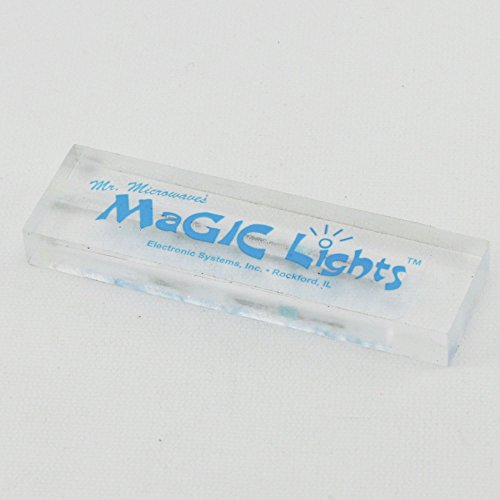
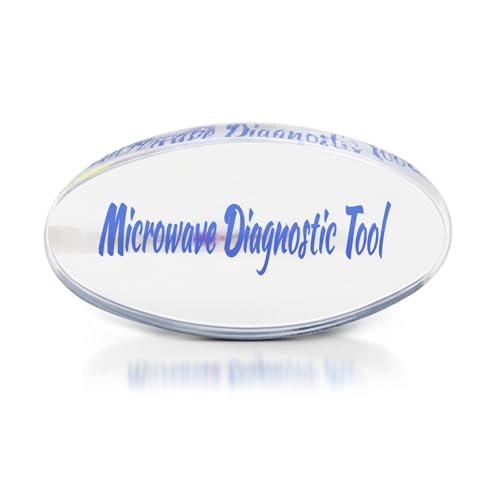
[Professional Microwave Leakage Detection]: Accurately measures microwave radiation levels with 0.1mW/cm2 precision

Quick Leakage Identification (Round Design): This round microwave diagnostic tool provides rapid safety testing. Insert it into your microwave oven; while rotating on the turntable, it detects microwave radiation and alerts you to leaks via a bright red light indicator.
Visual Inspection
Check the interior of the microwave for burn marks or discoloration. Inspect the metal components, like the cavity and the turntable, for any dents or warping. Look closely at the plastic or rubber seals around the door; damage here might affect functionality. Examine the microwave exterior for any scorch marks or melting. If you find any signs of damage, avoid using the microwave until you address these issues.
Testing the Microwave Functionality
Once the visual inspection is complete, you can test the microwave functionality. Plug in the microwave and turn it on without any food inside. Listen for any unusual sounds, such as buzzing or grinding, which might indicate internal damage. Observe the lights; they should illuminate normally. If the microwave doesn’t heat food or shows error codes, further investigation may be necessary. If everything appears normal, it’s likely you avoided significant damage, but proceed with caution during subsequent uses.
Repairing the Microwave
Fixing a microwave after metal has been put inside mainly involves addressing minor damage or deciding if professional help is necessary.

♾[11.25" MICROWAVE GLASS TURNTABLE PLATE]:The 11-1/4 inch WB49X10097 Microwave glass plate can replace broken or soiled glass plates in many GE or Samsung microwaves.Replace Part Number:WB39X0078,WB49X10034,DE63-00624A,EAP651544,PS651544,AP3188581,947207,etc

[Leave It to the Pros] Gemroom delivers precision microwave glass plate replacement from 9.6" to 16.5", engineered to perfectly match your existing under-plate hardware. We eliminate the confusion of choosing and the endless trial-and-error of buying the wrong size. Our expert consultation guarantees the exact fit the first time, saving your valuable time

【Exact Replacement Microwave Tray】 Exact match for your microwave, its diameter is 10.5 inches. Compatible with Hamilton Beach 252100500497 HB-P90D23 HB-P90D23A HBP90D23 HB-P90D23AL-DJ, EM925AJW-P1 EM925AJW-P2 0.9 Cu. Ft. 900W, GE General Electric, Panasonic, Sharp, Emerson, Sunbeam SGB8901, Magic Chef, Oster, Frigidaire etc Microwave Oven Cooking Plate, replaces part# 252100500497.
Simple Fixes for Minor Damage
For minor damage, a few simple fixes can help restore functionality.
- Clean the Microwave: Start by cleaning the interior with a damp cloth. Remove any metal fragments or charred particles.
- Inspect the Turntable: Check the turntable for cracks. If damaged, you can usually find a replacement online or at a local appliance store.
- Replace Any Bulbs: If the interior light isn’t working, unscrew the light cover and replace the bulb.
- Reattach Loose Components: Ensure that any detachable parts, like the waveguide cover, are secured properly. If it’s missing, purchase a suitable replacement.
- Check the Fuse: Locate the fuse inside the microwave. If it’s blown, replace it with a new one of the same rating.
These steps may restore the microwave without any additional help.
When to Call a Professional
If you notice significant damage, such as:
- Sparks During Operation: If sparks occur when you use the microwave again, this indicates a deeper issue, possibly with the magnetron.
- Burn Marks on the Wall: Visible burns or scorch marks can suggest internal damage needing repair.
- Unusual Noises: If you hear grinding or buzzing sounds instead of the usual hum, your microwave likely has serious problems.
In these cases, it’s best to call a professional technician. They can conduct a thorough diagnosis and repair any damaged components safely. Don’t hesitate to seek assistance, as operating a damaged microwave poses safety risks.
Preventative Measures
Preventing issues with your microwave after an accidental metal mishap involves careful practices and awareness. Follow these guidelines to keep your appliance safe and functioning well.

ENSURE A CLEAN MICROWAVE: Use this pure glass splatter guard lid to cover your food plate, bowl, or meal prep container in the microwave and avoid any dirt or mess.

Designed for Microwaves: Both silicone and ceramic are heat-resistant materials, stable under high temperatures without melting or warping. Metal-free, microwave-safe, and dishwasher-safe.

100% Borosilicate* Glass: Transparent glass casserole dish with glass cover that resists stains and odors. Oven safe casserole bowl, store leftovers in fridge or freezer, microwave and dishwasher safe
Tips for Safe Microwave Use
- Read the Manual: Familiarize yourself with your microwave’s guidelines regarding safe usage.
- Use Safe Containers: Only use glass, ceramic, or microwave-safe plastics. Avoid any metal or aluminum foil.
- Check Food and Utensils: Always inspect food for hidden metal parts, like twist ties or metal handles, before placing it in the microwave.
- Set Timers Wisely: Avoid overcooking by setting appropriate cooking times to prevent excessive heat buildup and potential risks.
- Keep It Clean: Regularly clean your microwave to remove food splatters that could cause smoke or odors.
Alternative Cooking Methods
Explore different cooking methods to reduce reliance on your microwave.
- Oven Cooking: Use your conventional oven for tasks like baking or reheating dishes, ensuring even heating.
- Stovetop Cooking: Fry, boil, or steam food quickly on the stove. It offers precise temperature control.
- Slow Cooker: Perfect for meals requiring longer cooking times, allowing flavors to develop without the risk of sparking.
- Pressure Cooker: Cook meals faster while maintaining moisture and nutrients, suitable for a variety of dishes without using a microwave.
- Air Fryer: Enjoy crispy foods without added oil. This appliance can equally replace many microwave tasks.
By implementing these preventative measures, you effectively safeguard your microwave and explore diverse cooking methods. This proactive approach leads to safer and more versatile meal preparation.
Conclusion
Accidentally putting metal in your microwave can be a stressful experience but you can take the right steps to ensure everything’s okay. By carefully inspecting for damage and making simple repairs when needed you can get your microwave back in working order.
Don’t forget to stay proactive by following preventative measures to avoid future mishaps. With a little caution and awareness you can keep your microwave safe and enjoy cooking with confidence. Remember there are plenty of alternative cooking methods to explore too so you can mix things up in the kitchen. Happy cooking!
Frequently Asked Questions
What happens if you put metal in a microwave?
Putting metal in a microwave can cause sparks due to electric arcs, leading to potential fire hazards. Metal reflects microwaves, which can damage internal components such as the magnetron and wave guide. Always avoid placing any metallic items in a microwave to prevent accidents.
How can I check for damage after metal was placed in the microwave?
Start with a visual inspection of the microwave’s interior for burn marks or discoloration. Look for dents on metal parts and inspect the seals and exterior for scorch marks. If damage is found, avoid using the microwave until it is properly checked and repaired.
What should I do if I find damage in my microwave?
If you notice any damage, particularly burn marks or sparks during operation, do not use the microwave. It’s best to call a professional technician for a thorough diagnosis and repair to ensure safety and proper functioning.
Are there any minor fixes I can perform on my microwave?
For minor damage, you can clean the interior, inspect and reattach the turntable, replace burnt-out bulbs, and check the fuse. If the microwave operates normally without unusual noises, you may proceed with caution during use.
How can I prevent future microwave problems?
To prevent issues, read the microwave manual, use safe containers, check food for hidden metal parts, set appropriate cooking times, and keep the appliance clean. Consider using other cooking methods like an oven or stovetop for safer meal preparation.
